Which month is the best time to see Luoyang peonies?
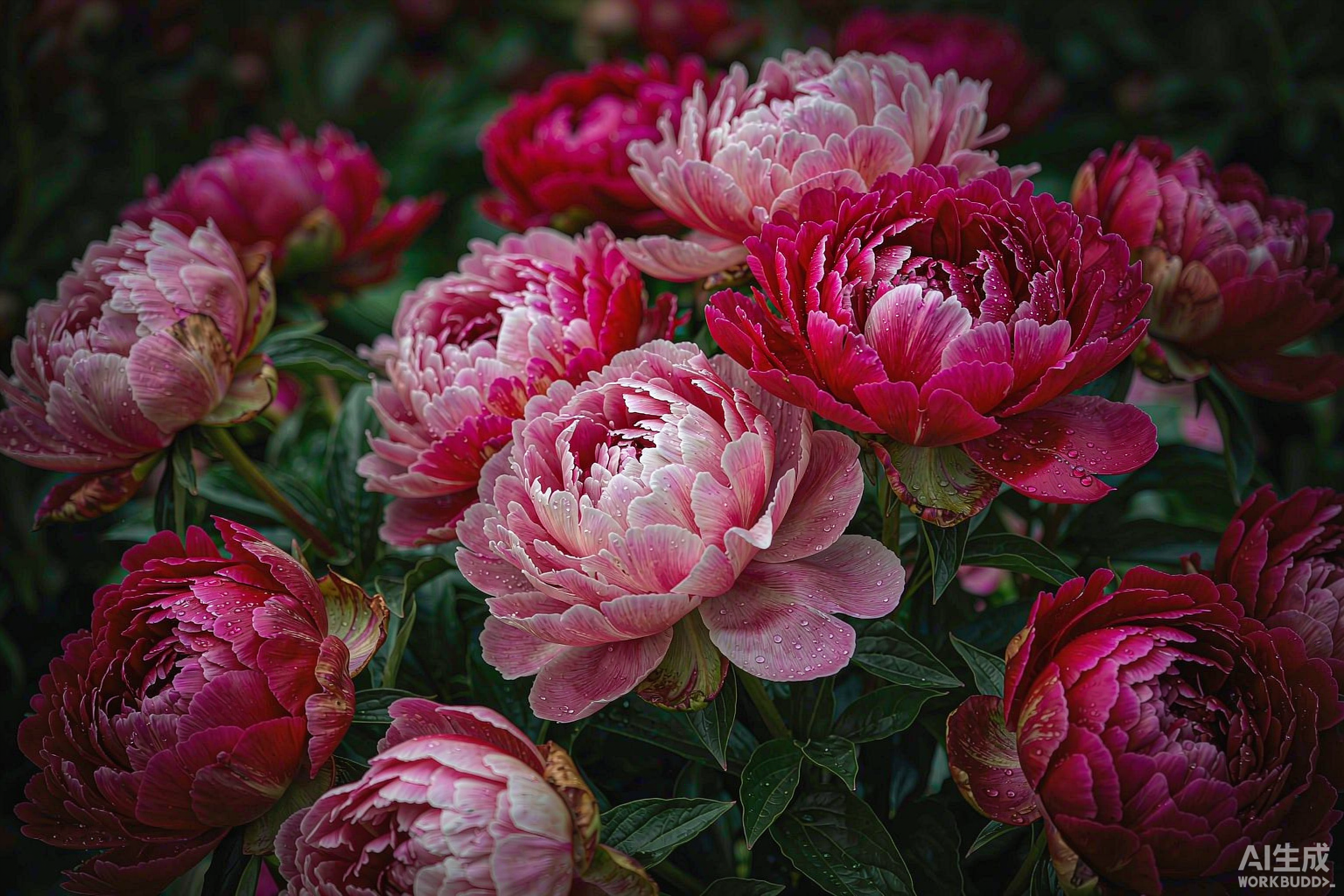
The peak bloom is mostly around April 5–20 each year, but it shifts with the temperature annually: a warm spring comes earlier, a late cold snap later. Early varieties open as early as late March, and late varieties can extend to late April or even early May, so there are flowers to see throughout April.
When is the Luoyang Peony Culture Festival?
The Luoyang Peony Culture Festival is generally held from early April to early May each year, with the exact opening date announced officially annually. During the festival the city is full of flower exhibitions, light shows and events.
Which garden is best for viewing peonies in Luoyang?
Wangcheng Park (city, earliest bloom, many famous cultivars), China National Flower Garden (largest scale), Sui-Tang Ruins Botanical Garden (complete varieties), National / International Peony Garden (late bloom). To see everything at once, combine 2–3 gardens.
What is the difference between Luoyang peonies and Heze peonies?
Both are peony strongholds. Luoyang peonies are renowned for their 'top-of-the-world' cultural history, and flower viewing is often combined with cultural-tourism settings like the Grottoes and the ancient city, feeling more like 'flowers + city' tourism; Heze is known for its cultivation and industry scale.
Are there crowds during the Peony Culture Festival? How to avoid peak times?
Holidays and weekends are the most crowded. Go on a weekday and enter as soon as the garden opens; choose the farther late-bloom gardens to avoid peaks; schedule Longmen and Laojun Mountain on non-flower-show days to spread the crowds.
Where is it convenient to stay during the peony season?
First choice is the Old Town / Xigong District (near Wangcheng Park, Luoyi Ancient City and Yingtian Gate); if arriving by high-speed rail, choose near Luoyang Longmen Station in Luolong District. During the Peony Festival, book well in advance.
Which attractions can be combined with peony tourism?
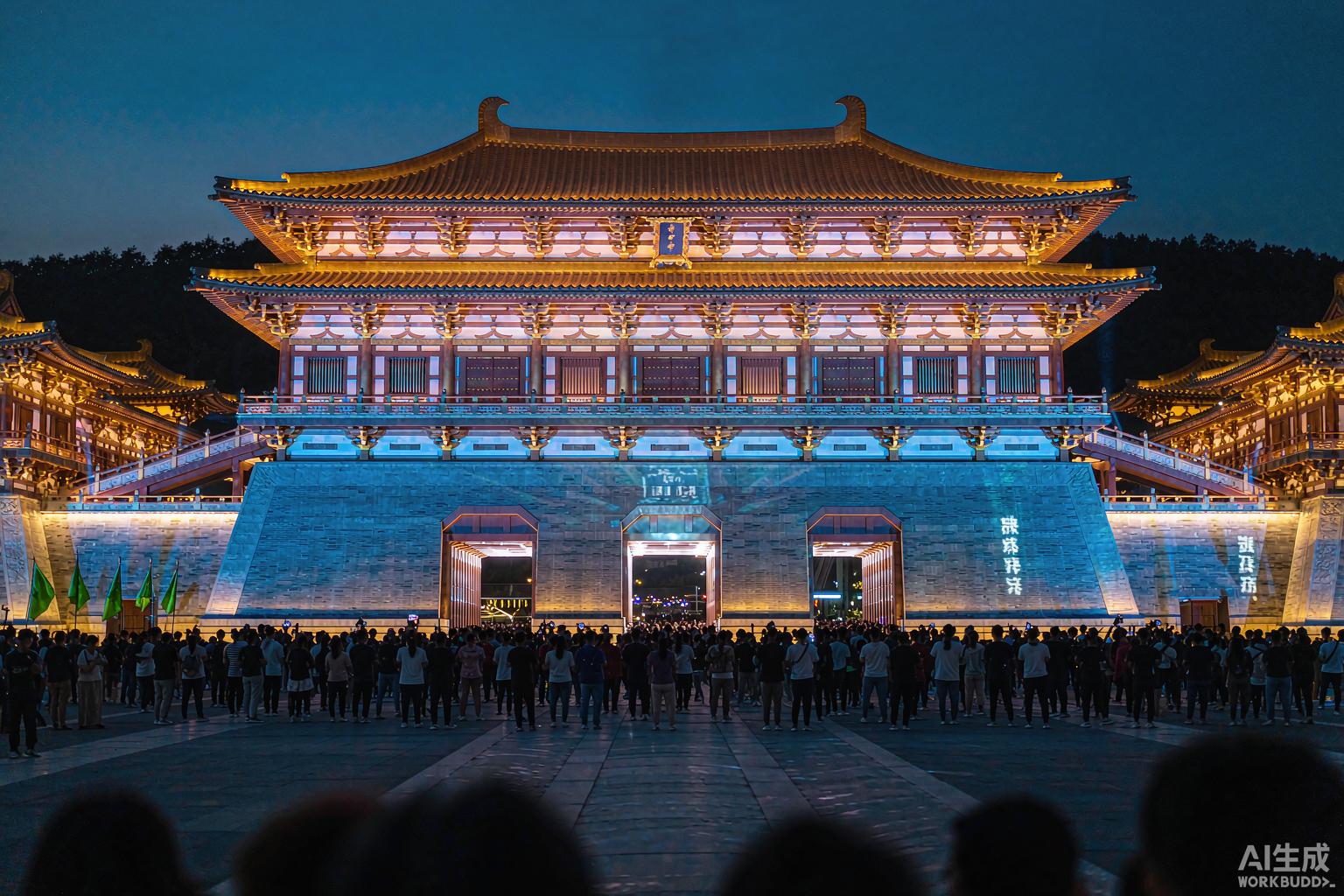
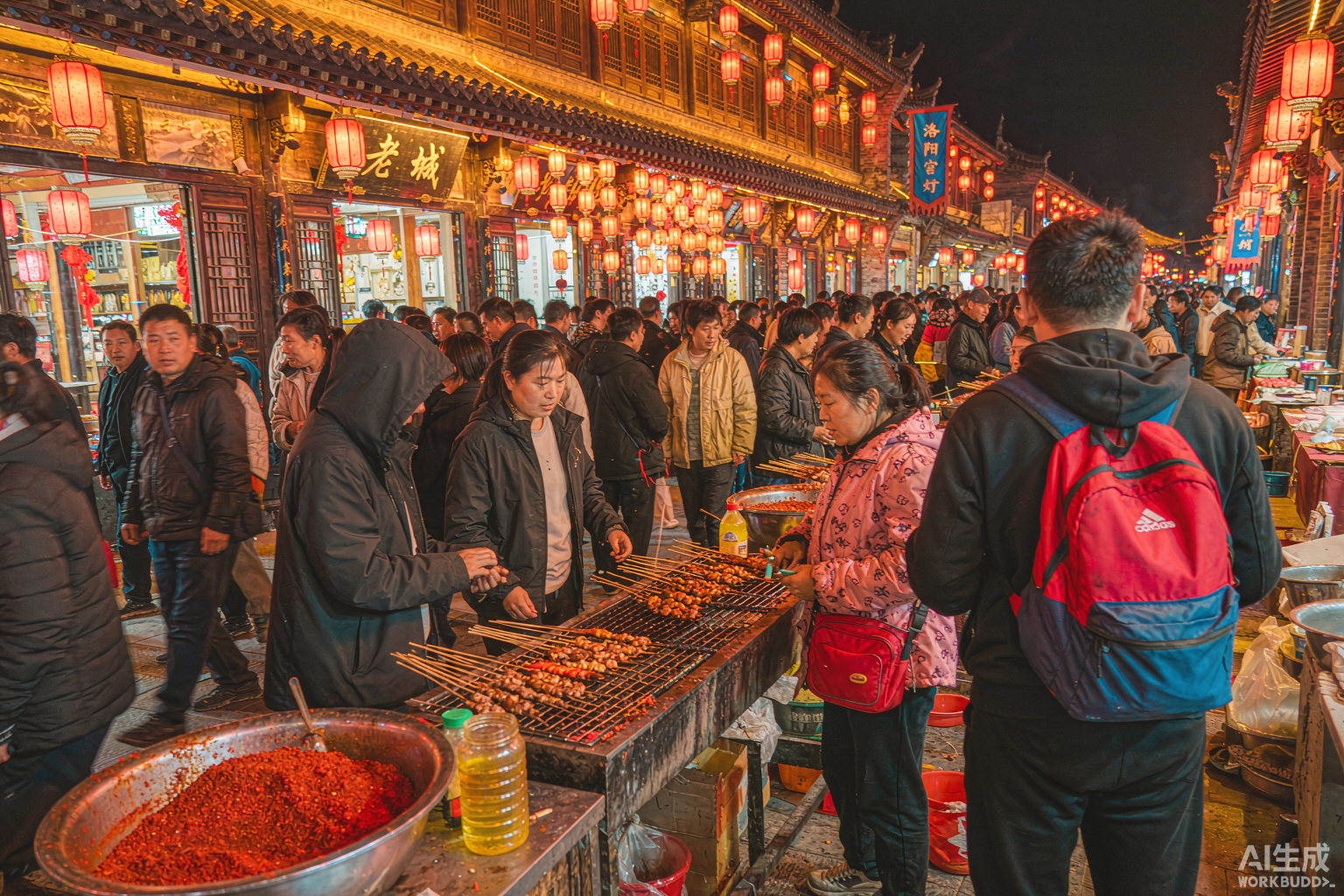
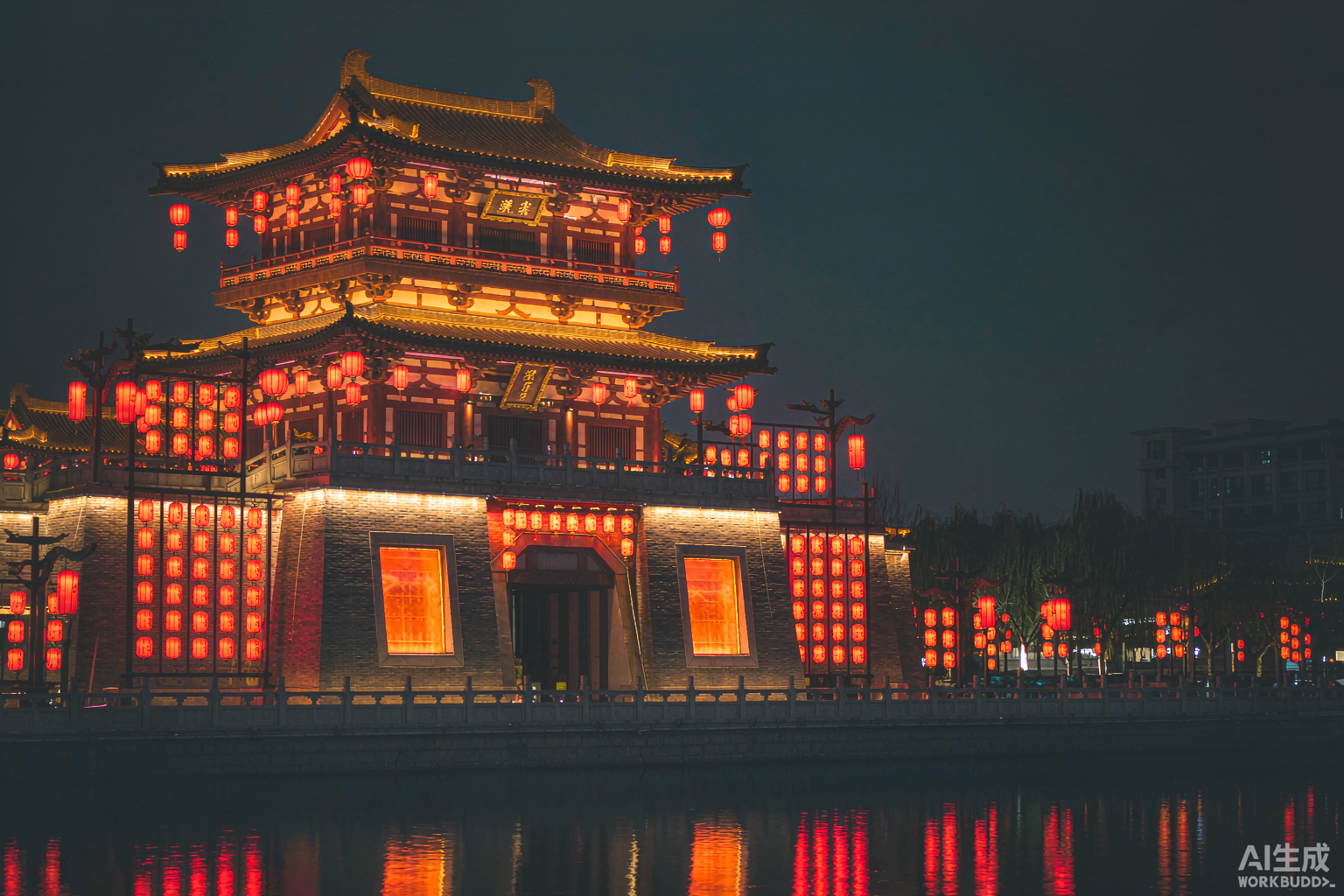
The smoothest combination: peony viewing by day + Yingtian Gate light show and Luoyi Ancient City at night; then reserve one day for Longmen and one for Laojun Mountain. In 3–4 days you can cover 'flowers + grottoes + golden summit'.
Is a peony-festival group tour worth joining?
During the Peony Festival, tickets, transport and accommodation are all tight; a tour / private small group can outsource garden booking, round-trip transport and hotel together, sparing you the fight for tickets and queues. Itinerary and price are subject to confirmation.
Which month is the best time to visit Luoyang?
If you're after peonies, April is the only window; for landscapes and historic architecture, spring (Mar–May) and autumn (Sep–Nov) have the most comfortable weather; summer offers a cool retreat at Laojun Mountain, and winter sees fewer tourists with often discounted tickets.
Any photography / outfit tips for peony viewing?
Early morning or evening has soft light and fewer people, better for photos; Hanfu pairs beautifully with the flower sea. With large day-night temperature swings, bring a jacket; gardens are large, so wear comfortable shoes.